Vitamin B12 plays a key role in energy, nerve health, and red blood cell function, but the way your body absorbs it can vary. This guide compares oral supplements and injections, explaining when each option may make sense based on digestion, deficiency risk, and lifestyle. Learn how testing and provider guidance help determine the most reliable path to restoring healthy B12 levels.

Most people do not wake up tired for no discernible reason. This sense of lethargy and tiredness could be attributed to a lack of sleep, excessive stress, or an improper diet. But sometimes, it is vitamin B12.
When B12 levels run low, energy can quietly dip, focus may blur, and everyday tasks can feel heavier than they should. But B12 is not a magic switch. It helps you when the vitamin levels are low, but does little when they are already at a normal level.
This guide walks you through how B12 works, why its absorption matters, and when injections might make more sense than pills. The goal is not to push a choice. It is to help you understand what fits your body, your routine, and your real life.
Before choosing between pills or injections, it helps to understand what stays the same and what actually changes.
Vitamin B12 supports red blood cells, nerve function, and day-to-day energy. That role does not change whether it comes from a tablet or an injection. What changes is how reliably your body absorbs it, especially when digestion isn't working perfectly.
By the end of this guide, you will know what questions to ask and how to choose a path that feels realistic, not overwhelming.
To understand why delivery method matters, we need to talk about absorption in simple, everyday language.
Oral B12 relies on your digestive system working smoothly. It depends on a protein called intrinsic factor and proper gut function. When either is disrupted, absorption becomes less efficient. At higher oral doses, only a small percentage may actually be absorbed, which is why results sometimes feel inconsistent.
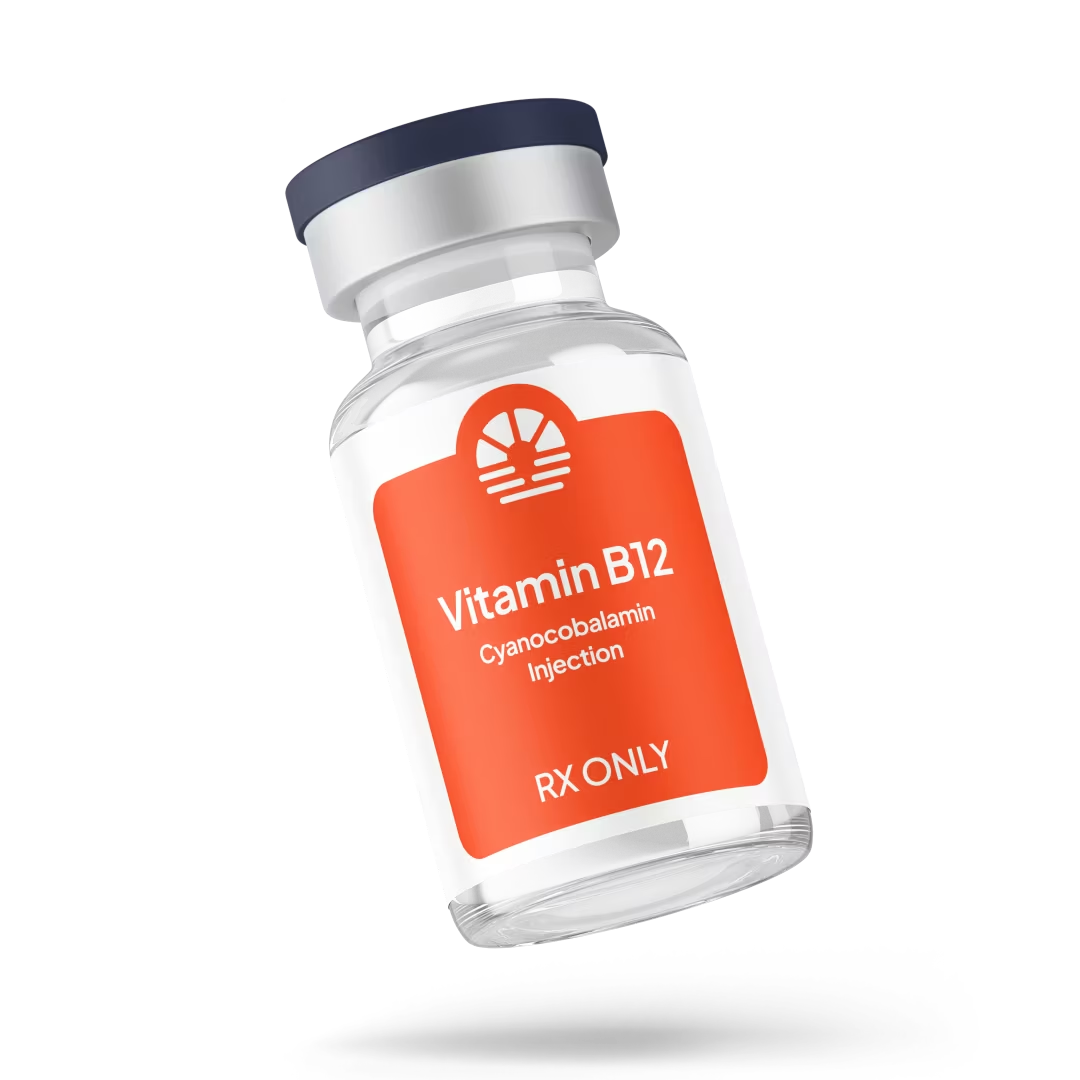
Injections bypass the digestive system completely. This allows B12 to enter the body more directly, which can make delivery more reliable when absorption is the main challenge.
Oral supplements still work well for many people, especially when digestion and absorption processes function normally. Some research shows that high-dose oral B12 can produce similar results to injections in certain individuals. The best choice is usually about cause, not convenience.
Understanding this helps shift the conversation from “which option is better” to “which option works the best for you.”
Once absorption is understood, it becomes clearer when injections may be worth discussing.
Injections are often needed when absorption barriers exist, such as digestive conditions, medication interactions, or age-related changes. They may also suit people who prefer a structured, provider-guided plan rather than managing supplements on their own. Some simply feel more consistent with scheduled dosing and follow-up.
B12 injections do not replace good sleep, balanced nutrition, hydration, or stress care. And if your levels are already normal, more B12 usually doesn't produce extra energy.
Clear expectations prevent unnecessary frustration.
Because symptoms can be subtle, it helps to understand how B12 deficiency shows up and why testing matters.
Low B12 levels may feel like ongoing fatigue, weakness, brain fog, or mood shifts. When the deficiency persists, nerve-related symptoms can appear.
Low intake and absorption both play a role. People following plant-based diets, older adults, and those taking certain medications or with certain digestive conditions may be more likely to run low.
Fatigue has many causes. Testing helps confirm whether B12 is part of the picture and avoids chasing the wrong solution.
Clarity comes first, always.
Now that the background is clear, here is the simple comparison most people are really looking for.
The right choice is not about speed. It is about reliability.
The frequency of B12 intake varies more than most people expect, and that is normal.
Providers adjust based on your starting level, symptoms, and response. There is no universal schedule.
Some plans begin with a short correction phase followed by maintenance. When low intake is the issue, daily oral supplements may be used. When absorption is involved, periodic injections may be considered.
Instead of focusing only on fatigue, notice patterns in focus, afternoon energy dips, recovery, mood, and sleep.
Progress often shows up quietly first.
Vitamin B12 is generally considered safe, even at higher doses, though guidance from a provider still matters. Some people notice mild injection-site soreness or occasional headaches. If anything feels persistent or concerning, reaching out early is always the best step.
If you are unsure where to start, this quick framework can help.
If low intake seems likely without absorption concerns, oral supplements may be worth discussing. If absorption issues or persistent symptoms exist, injections may be considered. If you are unsure, testing and provider review become paramount.
Bring this to your provider:
Better information leads to better guidance.
Knowing the process often makes the decision feel simpler and less intimidating.
You begin with a short intake. A licensed provider reviews your information and recommends a plan. If appropriate, medication and supplies are shipped discreetly with tracking. Ongoing support helps adjust treatment over time.
Care feels guided, not confusing.
Clear structure, provider oversight, and follow-up help keep treatment simple, steady, and manageable. Individual results vary. Provider guidance helps keep progress safe and appropriate.
With HealthHub, support continues beyond the first step.

How quickly do people notice changes?
It varies depending on baseline levels and the cause behind low B12 levels.
Can oral supplements and injections be combined?
A medical provider may provide guidance on this based on your needs.
What if nothing changes?
Plans can be reviewed and adjusted accordingly.
Do I need monitoring?
Monitoring is an essential step and helps keep treatment appropriate.
How do I stay consistent?
Structured routines and provider guidance help most in staying consistent.
HealthHub focuses on provider-guided care, discreet delivery, and ongoing support so progress feels steady, simple, and sustainable.
Get a clear answer in one provider review.
If you are exploring whether B12 injections may help, starting with a HealthHub consultation can clarify what your body actually needs.
Disclaimer:
This content is for informational purposes only and does not constitute medical advice. Always consult a licensed healthcare provider before starting or adjusting treatment. Individual results vary.
Join patients across the U.S. who are already reaching their goals with safe treatments, licensed providers, and ongoing support.
Get Started