Starting semaglutide often changes the way you experience food, with smaller appetites, earlier fullness, and new eating habits becoming part of the journey. This guide explains the best foods to eat on semaglutide, simple meal-planning strategies, and practical nutrition tips to help support comfort and long-term success during GLP-1 treatment.

When many people begin their journey with semaglutide, the first noticeable change often isn’t what they see on the scale. It’s how their experience with food shifts. Meals that once felt perfectly satisfying might suddenly become overwhelming, leaving you feeling fuller much sooner than you’re used to. You might find that hunger sets in later in the day, and some foods that used to be favorites may not feel as appealing or even seem a bit too heavy.
These shifts are common with GLP-1 medications. Appetite signals adjust gradually, and eating habits often change alongside them. Many patients notice these changes before they see clear progress on the scale.
This guide is not about following a strict diet. Instead, it offers a practical framework for eating while your body adapts to treatment. The focus is comfort, steady nutrition, and habits that support long-term progress.
HealthHub’s weight-loss care model combines provider guidance, clear instructions, and ongoing check-ins to help patients adjust their routines as their bodies respond to treatment.
Many people begin searching for nutrition advice soon after starting semaglutide or increasing their dose. Appetite may feel lower than usual, meals may seem difficult to finish, or certain foods may feel less appealing than before.
This guide is designed for people navigating those changes. Patients often ask simple but important questions:
The sections below explain how eating patterns often shift during GLP-1 therapy and what foods tend to support comfort and steady nutrition.
When appetite changes quickly, many people assume they need a complicated diet plan. In reality, the early goal is much simpler. Focus on foods that feel comfortable to eat and provide steady nourishment.
Because semaglutide often reduces appetite, large meals may feel uncomfortable during the first weeks of treatment. Smaller portions and slower eating usually work better while your body adjusts.
A helpful approach is to focus on four basic nutrition priorities:
Another important point is avoiding long gaps without food. When appetite drops, some people unintentionally skip meals. Smaller, regular meals help maintain energy and reduce the chance of nausea later in the day.
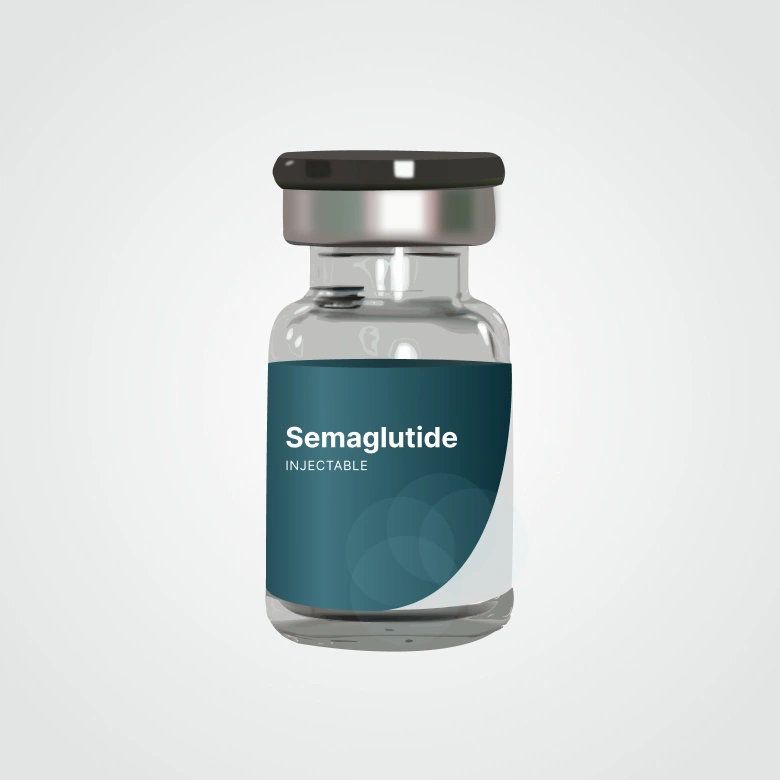
GLP-1 medications such as semaglutide help people feel satisfied sooner during meals. This change is part of the treatment's support for weight management.
Because fullness arrives earlier, many patients find that smaller meals feel more comfortable than large portions.
A simple structure often works well:
Many people also find that two or three smaller meals with one or two snacks feel better than one large meal. Eating slowly and stopping when comfortably full can also help reduce nausea or digestive discomfort.
During the early weeks of treatment, simple foods are usually easier to tolerate than complex or very rich meals. Many patients build meals around protein and gentle carbohydrates.
Protein is usually the starting point. Foods that work well for many people include:
Gentle carbohydrates can help balance meals and maintain energy. Common options include:
Produce continues to play an important role as well. Cooked vegetables, soups, and soft fruits are often easier to tolerate than large raw salads early in treatment.
Hydration also supports comfort and digestion. Water, herbal tea, broth-based soups, and electrolyte beverages can help maintain fluid intake when appetite is lower than usual.
A simple meal of the day might look like this:
Meals do not need to be complicated. Simple, repeatable meals often work best.
Some patients notice mild side effects while their bodies adjust to semaglutide. These can include nausea, feeling full quickly, or occasional days of food aversion.
In most cases, these symptoms improve as treatment stabilizes.
Several small adjustments often help during this phase:
If symptoms persist or are disruptive, contacting your provider is important. HealthHub includes ongoing check-ins and dose adjustments to help patients discuss tolerance, nutrition, and routine changes during treatment.
Certain eating habits may feel uncomfortable during the first weeks of treatment.
Common triggers include:
This is not a list of foods to avoid. Instead, it reflects patterns that many patients notice during the early stages of GLP-1 therapy.
Everyone’s experience is slightly different. Meals can be adjusted over time as appetite stabilizes.
Changes in appetite naturally lead to questions about meals, hydration, and daily routines. HealthHub’s care model is designed to support patients throughout that process.
Providers review each patient’s health history and create personalized treatment plans. Medications and supplies are delivered discreetly through licensed pharmacy fulfillment, and follow-up check-ins allow patients to discuss side effects or routine adjustments.
Many patients appreciate having a place to ask practical questions about meals and hydration as treatment progresses.
While individual results vary, for many patients, HealthHub makes the whole process smooth and simple. They start their treatment quickly and already feel healthier and more confident each day.

Treatment usually begins with a provider review and a clear plan.
HealthHub connects patients with licensed providers who evaluate health history, discuss treatment goals, and guide dosing decisions. Medications are shipped discreetly, along with supplies and instructions, so patients can begin treatment with confidence.
Nutrition questions, side-effect management, and everyday routines like meals and hydration are all part of the treatment conversation.
Contact a provider-guided plan, like HealthHub, that helps you manage dosing, meals, and daily habits with greater clarity and support.
Join patients across the U.S. who are already reaching their goals with safe treatments, licensed providers, and ongoing support.
Get Started