Starting GLP-1 medications can bring noticeable appetite changes, but digestive side effects like nausea, constipation, and bloating are also common during the adjustment period. This guide explains why these symptoms occur, practical ways to improve comfort, and when it's important to contact your healthcare provider. With the right support and routine adjustments, many patients can successfully manage side effects while staying on track with their weight-loss goals.

Many people starting GLP-1 treatment are encouraged by the early changes in appetite. Meals become smaller, cravings often ease, and routines begin to shift in a positive direction. Then a different experience appears: nausea after meals, bloating, constipation, or unpredictable digestion.
These symptoms can feel discouraging, especially if the treatment itself is working. The important thing to remember is that GLP-1 side effects are common during the adjustment period, particularly while doses are being increased. Discomfort does not automatically mean the medication is failing, but it also should not be ignored.
Provider-guided care is designed to handle these moments. HealthHub’s treatment model includes follow-ups and secure messaging, allowing patients to ask questions, adjust dosing as needed, and troubleshoot side effects before they disrupt progress.
This guide is written for people using GLP-1 weight-loss medications such as semaglutide or tirzepatide who are experiencing digestive discomfort.
Many patients want to understand a few practical questions:
In the sections below, we will cover the most common digestive symptoms, why they appear early in treatment, and practical ways to improve tolerance while staying consistent with your plan.
Digestive symptoms are the most frequently reported side effects of GLP-1. FDA prescribing information for medications such as semaglutide and tirzepatide lists nausea, vomiting, diarrhea, abdominal discomfort, and constipation among the most common reactions.
HealthHub’s GLP-1 treatment information also explains that mild nausea or bloating often appears during the early adjustment phase.
Most GLP-1 medications are introduced gradually. Doses are increased step-by-step to help the body adapt and reduce digestive reactions.
In simple terms, the medication slows digestion and changes appetite signals. While the body adjusts, digestion may feel different for a few weeks.
For many people, symptoms improve as routines stabilize.
Patients may notice:
These experiences are common but should still be monitored.
Mild symptoms can occur during adjustment, but persistent or intense discomfort should always prompt a conversation with your provider.
Nausea is often the first symptom people notice. Fortunately, a few small adjustments can make a meaningful difference.
If nausea appears, begin with practical changes that support digestion:
Common “easy foods” many patients tolerate include toast, rice, eggs, crackers, soup, or yogurt.
For many patients, the following habits reduce nausea:
These are not strict rules. They are practical strategies that help many patients stay comfortable.
Before your next provider check-in, it can help to track patterns such as:
These observations make provider conversations more useful.
Avoid making medication changes on your own. Do not double doses, skip doses, or drastically change your routine without provider guidance.

Constipation is another common digestive concern during GLP-1 treatment. Several factors contribute to it. Appetite changes often reduce total food intake, hydration may drop unintentionally, and digestion naturally slows with these medications.
FDA prescribing information for both semaglutide and tirzepatide lists constipation as a common reaction.
A few daily habits often improve digestive movement:
Walking after meals can sometimes help stimulate digestion.
If symptoms persist despite hydration and dietary adjustments, a conversation with a provider may help.
Reach out if:
Your provider may discuss additional options if needed.
Both semaglutide and tirzepatide may cause digestive symptoms, especially during dose increases. Response varies between individuals, which is why small adjustments often matter.
HealthHub describes GLP-1 treatment as a tool that supports smaller meals and habit consistency rather than a “quick fix.”
A Comfort-First Meal Structure
Many patients tolerate meals better when they follow a simple pattern:
Repeating simple meals during adjustment weeks often improves comfort.
For hydration, stick to small, steady fluids throughout the day.
As symptoms improve, meals can gradually return to a normal variety. A single uncomfortable day does not mean treatment is failing.
Side-effect conversations are a normal part of treatment.
Message your provider if:
HealthHub encourages patients to reach out early so adjustments can be made before discomfort escalates.
When Urgent Care Is Needed
Seek prompt medical attention if you experience:
These situations require medical evaluation.
HealthHub’s treatment approach is designed to support patients throughout the process.
The care model includes:
This structure allows side effects to be addressed early rather than allowed to run their course on their own.
It's imperative to understand that individual results vary.
How long do GLP-1 digestive symptoms usually last?
Many patients notice improvement within several weeks as the body adjusts.
Do symptoms worsen after dose increases?
Occasionally, they can briefly increase during dose escalation.
What foods help when nausea is strong?
Simple foods such as toast, rice, soup, eggs, and yogurt are often easier to tolerate.
What helps with constipation?
Hydration, fiber intake, and physical activity usually help restore digestive health.
Should I skip a dose if I feel sick?
Always speak with your provider before making medication changes.
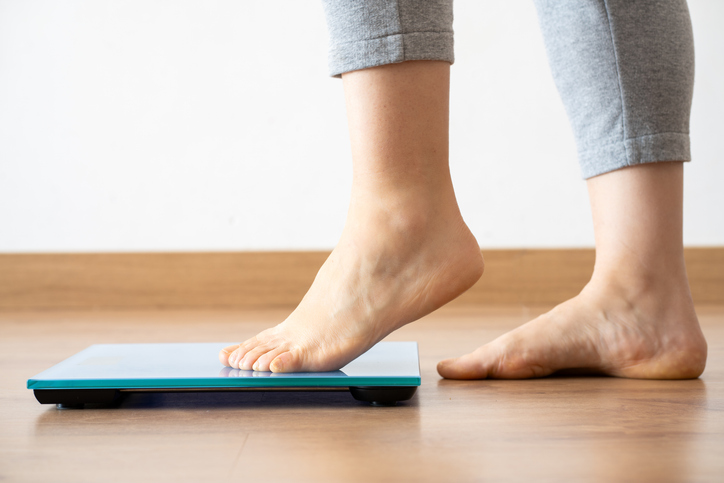
Managing GLP-1 side effects is part of the treatment process. Nausea or digestive discomfort does not mean progress has stopped, but it may mean your plan needs adjustment.
HealthHub provides provider-guided care, clear treatment plans, and ongoing follow-ups so patients can manage symptoms while continuing to move toward their health goals.
Start with a provider-guided plan with HealthHub that includes side-effect support, dosing adjustments, and regular check-ins so discomfort does not interrupt your progress.
Join patients across the U.S. who are already reaching their goals with safe treatments, licensed providers, and ongoing support.
Get Started