Traveling with injectable medications doesn't have to be stressful. By understanding TSA medication guidelines, packing supplies properly, and following recommended storage practices, you can stay on track with your treatment while away from home. This guide covers practical tips to help make flying and traveling with injections simpler, safer, and more manageable.

Travel anxiety usually shows up long before you reach the airport. For most people, it begins while packing. The itinerary may already be organized. Flights are booked. Hotels are confirmed. The schedule looks manageable. Still, anxiety can creep in when it comes to medication management.
For patients using injectable medication, concerns are very common. Although travel can shift routines, the fundamentals of safe medication management remain unchanged. Medication still follows the same storage guidance, dosing schedule, and provider instructions.
Once you understand these basics, traveling with injectable medications often feels much less complicated than it initially seems.
HealthHub adopts a similar approach to care. Providers review your health history, guide treatment decisions, and ensure medications are delivered through licensed pharmacy fulfillment. When treatment is structured and monitored, navigating situations like travel becomes significantly easier.
If you’re taking injectable medications and planning to travel, you’re in the right place. Whether you’re about to embark on your first trip since starting treatment or you’re a seasoned traveler looking for some solid tips, this guide can offer the support you need.
Let’s break down who might find this info helpful:
In a nutshell, this guide is designed to help anyone on injectable medications feel prepared and confident when traveling. Having this knowledge can make your journey a lot smoother, allowing you to focus on enjoying your trip. Safe travels!
Travel often shifts daily routines.
Flights may leave earlier than expected. Time zones can move the clock forward or backward. Long travel days sometimes interrupt familiar schedules. These changes can make medication timing feel less predictable.
In reality, most travel challenges are logistical.
Timing may need small adjustments if a dose falls on a travel day. Storage conditions may vary between airports, vehicles, and hotels. Access to extra supplies can be limited if something is forgotten.
What does not change is the structure of care.
Medication should still be stored according to pharmacy instructions. The injection technique remains the same. Dosing decisions still follow the plan created with your provider.
Travel might shift the schedule slightly, but the treatment plan itself stays consistent.
If you’re taking injectable medications and planning to travel, you’re in the right place. Whether you’re about to embark on your first trip since starting treatment or you’re a seasoned traveler looking for some solid tips, this guide can offer the support you need.
Let’s break down who might find this info helpful:
In a nutshell, this guide is designed to help anyone on injectable medications feel prepared and confident when traveling. Having this knowledge can make your journey a lot smoother, allowing you to focus on enjoying your trip. Safe travels!
Travel often shifts daily routines.
Flights may leave earlier than expected. Time zones can move the clock forward or backward. Long travel days sometimes interrupt familiar schedules. These changes can make medication timing feel less predictable.
In reality, most travel challenges are logistical.
Timing may need small adjustments if a dose falls on a travel day. Storage conditions may vary between airports, vehicles, and hotels. Access to extra supplies can be limited if something is forgotten.
What does not change is the structure of care.
Medication should still be stored according to pharmacy instructions. The injection technique remains the same. Dosing decisions still follow the plan created with your provider.
Travel might shift the schedule slightly, but the treatment plan itself stays consistent.
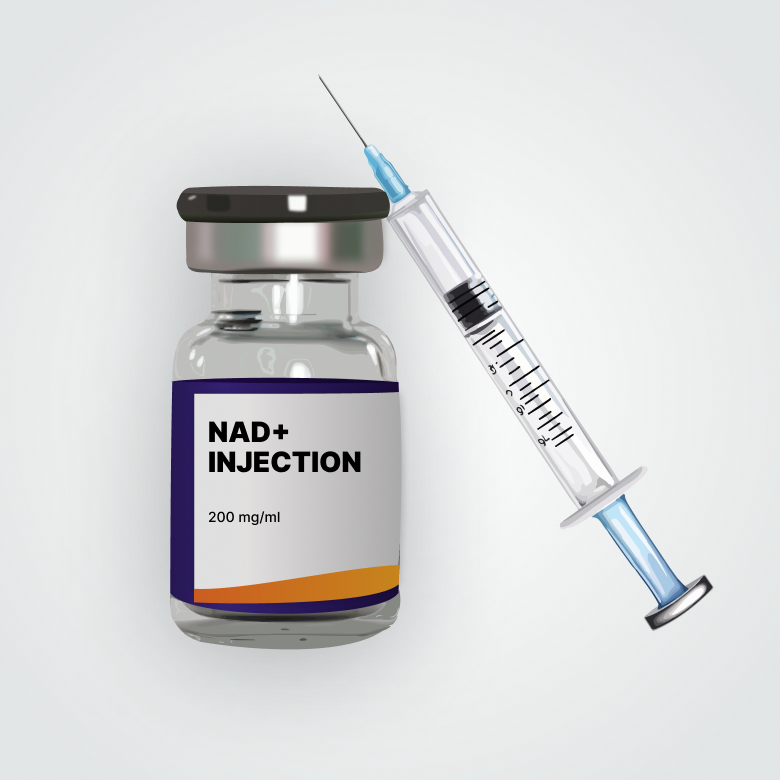
Airport screening is often the part that travelers feel most unsure about.
The Transportation Security Administration provides guidance for passengers traveling with medical supplies. According to TSA policy, medically necessary medications are allowed in reasonable quantities for the duration of a trip.
Travelers should declare these items during screening so officers understand they are medical supplies.
Unused syringes are generally permitted when they accompany injectable medication. Gel ice packs or freezer packs used for medication storage are also allowed, even if they are partially thawed.
Most travelers find the process straightforward when medication is organized and easy to access.
Many people keep supplies together in a small pouch. Medication, syringes or injection pens, alcohol swabs, and cooling packs are usually stored in the same place so they can be presented quickly if needed.
A short explanation that the items are medically necessary medication is typically sufficient.
Packing medication properly can prevent most travel issues.
The Centers for Disease Control and Prevention recommend keeping medications in carry-on luggage rather than checked bags. Delays can happen or result in lost luggage, and medication should remain accessible throughout the trip.
The CDC also suggests keeping medications in their original labeled containers and carrying prescription documentation when possible.
Many travelers prepare a small medication kit before leaving home. This kit usually includes the medication itself, injection supplies, alcohol swabs, and written dosing instructions. Some people also bring an extra supply of medication in case travel delays extend the trip.
Temperature protection is another practical consideration.
Certain medications must remain within specific temperature ranges to maintain stability. Following the pharmacy's storage guidance is the safest approach.
In everyday terms, that usually means avoiding hot vehicles, direct sunlight, or freezing environments during long travel days.
This situation is more common than people expect.
Sometimes the easiest approach is to take the medication before leaving home. Other travelers prefer waiting until they arrive at their destination when they have access to a quiet, comfortable space.
Both approaches can work.
Consistency with the provider’s dosing plan matters more than exact clock timing. When traveling across time zones, many people record the date and time they took their last dose to prevent confusion later.
If delays or schedule changes create uncertainty, contacting your provider for guidance is always the safest step.
Even well-organized trips can shift unexpectedly. Flights may be delayed. Schedules may change. Travel rarely follows a perfect timeline.
Most situations remain manageable when medication stays accessible.
If medication may have been exposed to extreme heat or freezing temperatures, reviewing the storage instructions and contacting a provider before using it is usually recommended. When a dose is missed, healthcare professionals should be consulted before doubling the next dose.
International travel may introduce additional considerations. The CDC recommends reviewing medication regulations not only for the destination country but also for any transit countries.
Preparation reduces uncertainty. Keeping medication in its original packaging and carrying prescription documentation can help avoid complications.
Travel planning becomes easier when treatment is supported by provider guidance.
HealthHub connects patients with licensed providers who oversee treatment decisions and ensure medications are delivered through licensed pharmacy fulfillment. This structure allows patients to ask questions about dosing schedules, storage instructions, and travel preparation before leaving home.
Many patients review these details with their provider before traveling so they know exactly how to manage medication during the trip.
HealthHub focuses on keeping care clear, supervised, and manageable in everyday life.
.jpg)
Travel should focus on the experience of the trip, not on medication.
Most injectable treatments can be transported safely when travelers follow a few basic guidelines. Declaring medication during airport screening, keeping supplies organized, protecting medication from extreme temperatures, and following provider instructions usually prevent problems.
A small amount of preparation can make the entire process feel much simpler. Get started with HealthHub today!
Join patients across the U.S. who are already reaching their goals with safe treatments, licensed providers, and ongoing support.
Get Started