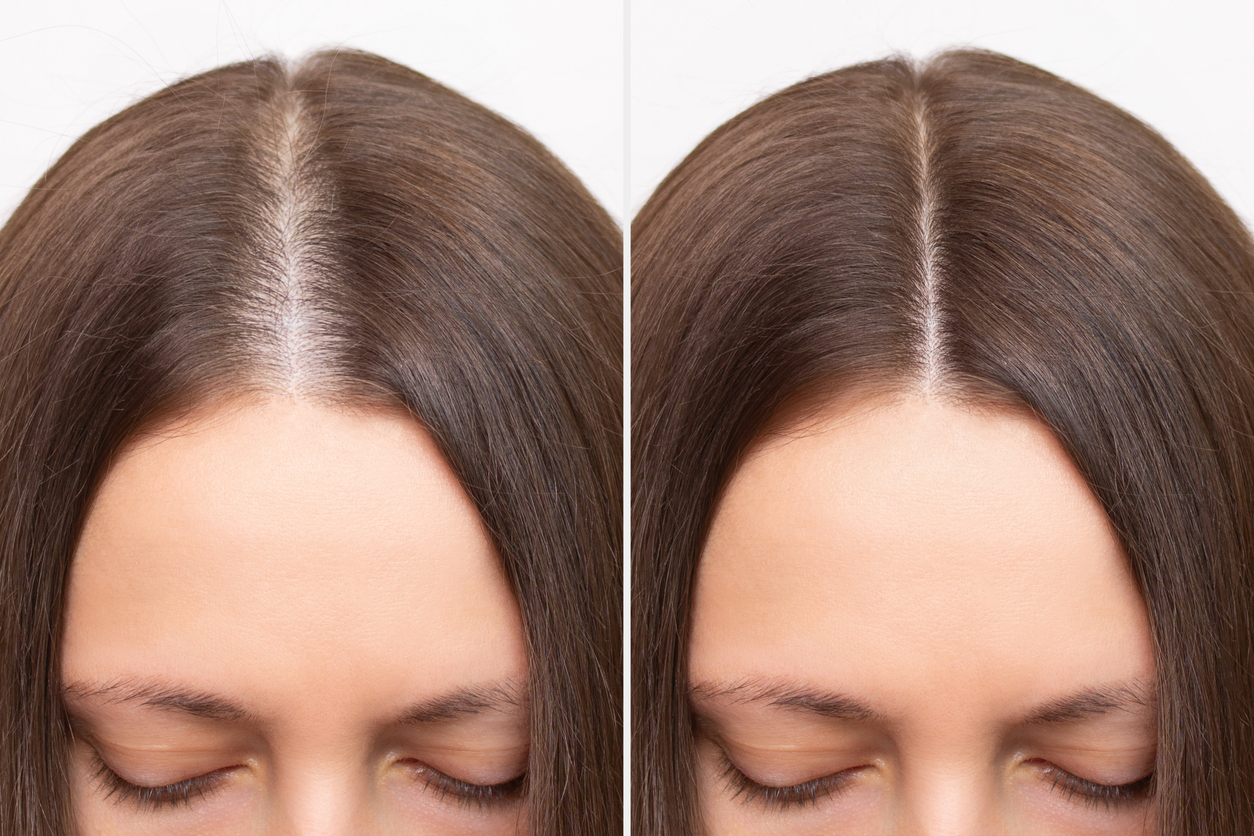
Wondering how to get hair loss medication online? Learn how telehealth makes treatment more convenient through licensed provider evaluations, personalized prescription options, and ongoing follow-up support so you can start care with confidence rather than guesswork.

Most people do not start by looking for treatment. They start by noticing something has changed.
Maybe there is more hair in the shower drain than usual. Maybe a ponytail feels thinner, or a widening part becomes harder to ignore in photos.
The next step is often a search engine. That is where things get confusing.
One website promises fast results. Another recommends supplements. A third claims to have the answer. Before long, it becomes difficult to distinguish legitimate treatment from marketing.
The goal is not simply getting medication quickly; it is to procure the right treatment safely.
Responsible online care should still include provider review, health history, treatment evaluation, and follow-up support. The convenience comes from making care easier to access, not from removing medical oversight.
HealthHub follows that approach. Online care should make treatment clearer, not riskier.
This guide is for people noticing thinning, shedding, changes in density, or signs of pattern hair loss who want to understand how online treatment works.
You will learn:
An insight into the mechanics of hair loss medication should help you make an informed decision about your own treatment.
Online care is sometimes misunderstood.
Good telehealth should still include provider review, treatment planning, and ongoing support. The difference is simply that the conversation happens online.
Before recommending treatment, a licensed provider should review:
Pattern hair loss, temporary shedding, traction-related loss, and scalp conditions can appear similar at first.
The treatment that helps one person may not be appropriate for another. That is why evaluation still matters.
When done properly, online care can offer convenience, privacy, faster access to provider review, discreet delivery, and easier follow-up communication.
Most online treatment programs follow a similar process.
Patients provide information about symptoms, health history, medications, and treatment goals. Photos may also help providers evaluate the pattern of hair loss.
A licensed provider reviews the information and determines whether treatment appears appropriate.
This is where medication fit, expectations, and safety are discussed.
If treatment is appropriate, a prescription may be issued and fulfilled through a licensed pharmacy.
Patients receive instructions on how to use the treatment consistently.
Hair treatment takes time.
Follow-up allows providers to address questions, evaluate progress, and make adjustments when necessary.
Online care works best when it is structured, not rushed.
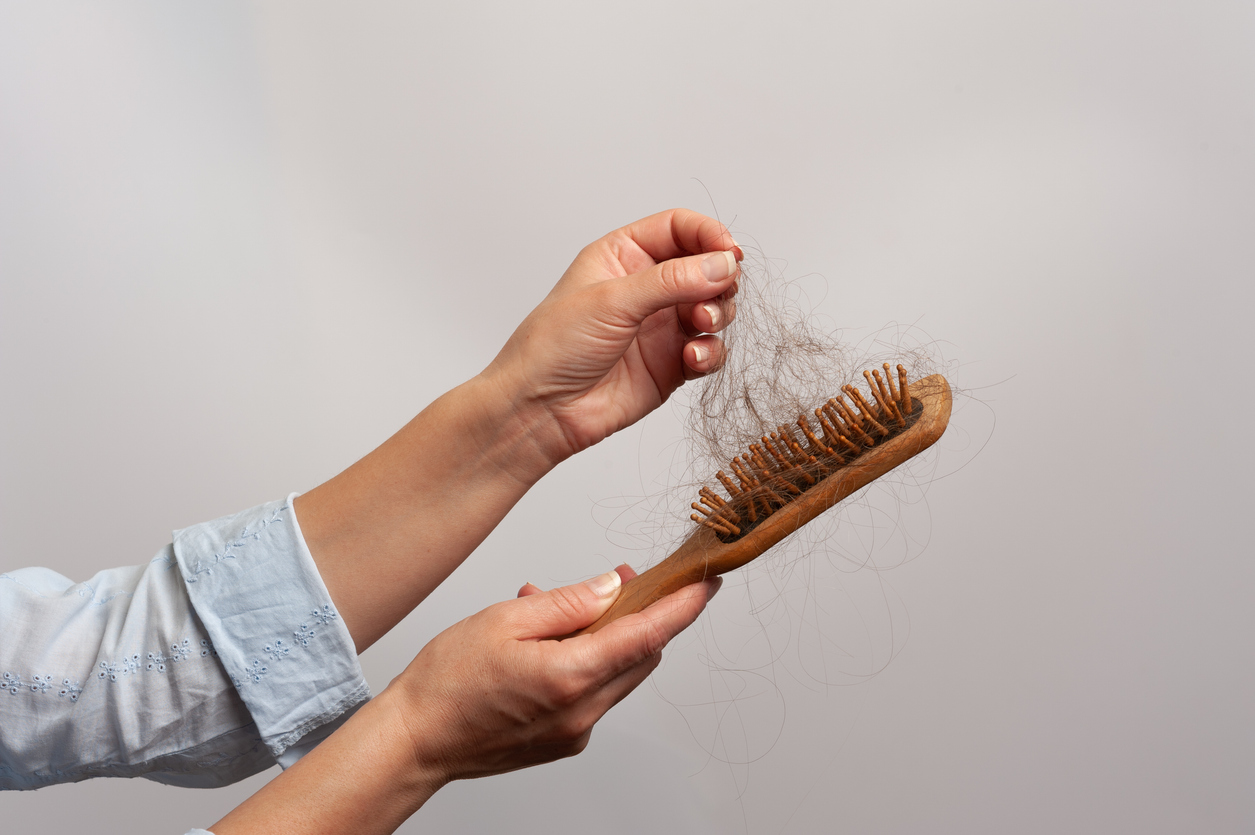
If you have researched hair loss, you have probably come across finasteride.
Convenience is important, but prescription treatment should never be treated like an impulse purchase.
Safe access should always involve provider review and prescription oversight.
Finasteride is commonly prescribed for male pattern hair loss because it helps reduce the effects of DHT, a hormone associated with follicle miniaturization.
For appropriate candidates, it may help slow progression and support thicker-looking hair over time.
Treatment recommendations should be tailored to the individual rather than follow a one-size-fits-all approach.
HealthHub offers prescription-strength topical scalp formulas for patients who prefer a non-oral routine.
HealthHub also offers provider-selected oral treatments, including finasteride tablets when appropriate.
Providers may consider:
The best plan is not the most aggressive one. It is the one a person can realistically follow.
Not all online programs operate the same way.
Look for:
Be cautious if a program offers:
Hair growth cycles move slowly.
Questions and concerns often appear before visible changes. Follow-up helps patients stay informed and make adjustments when needed.
One of the most common questions people ask is how quickly treatment will work. The honest answer is that hair growth follows a slow cycle, and the progress is usually measured over months rather than weeks.
The focus is consistency. Some people may notice changes in shedding patterns or mild scalp irritation depending on the treatment.
Reduced shedding, improved texture, or subtle changes in density may become noticeable.
Hair treatment usually requires months of consistent use before a meaningful evaluation is possible.
It's also important to understand that results vary with the strength of treatment and the patient’s receptivity to it.
Patients do not have to sort through endless products on their own. Treatment recommendations are based on pattern, history, and treatment fit.
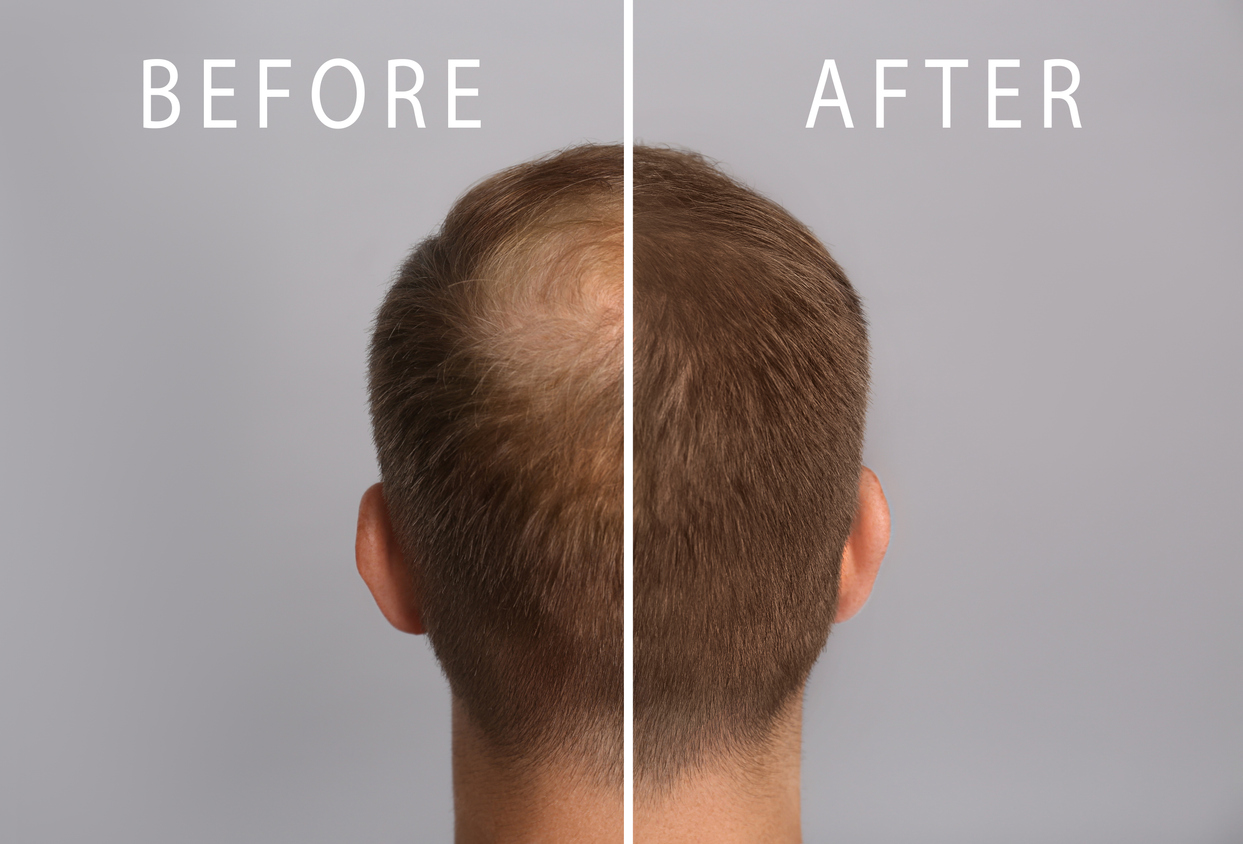
Yes. Licensed providers can review symptoms and determine whether treatment is appropriate.
It can be when treatment includes provider review and follow-up support.
The decision depends on hair loss pattern, medical history, and treatment goals.
Most people evaluate progress over several months rather than weeks.
Contact your provider. Side effects should be discussed rather than ignored.
Possibly. Treatment plans can change based on response and provider recommendations.
Start Hair Loss Medication With HealthHub
There is a difference between trying products and following a treatment plan.
If you are ready to stop guessing, start with a provider review.
HealthHub combines provider-led care, discreet delivery, ongoing support, and realistic expectations to help patients make informed treatment decisions.
Book your appointment today!
This article is for informational purposes only and is not medical advice. Prescription decisions should be made with a licensed healthcare provider. Individual results vary. Hair loss can have multiple causes, and treatment recommendations depend on proper evaluation.
Join patients across the U.S. who are already reaching their goals with safe treatments, licensed providers, and ongoing support.
Get Started