Noticing a widening part or thinning hair can be concerning, but understanding the cause is the first step toward effective treatment. Learn how female pattern hair loss differs from temporary shedding, explore evidence-based treatment options, and discover how provider-guided care can help you create a personalized plan.
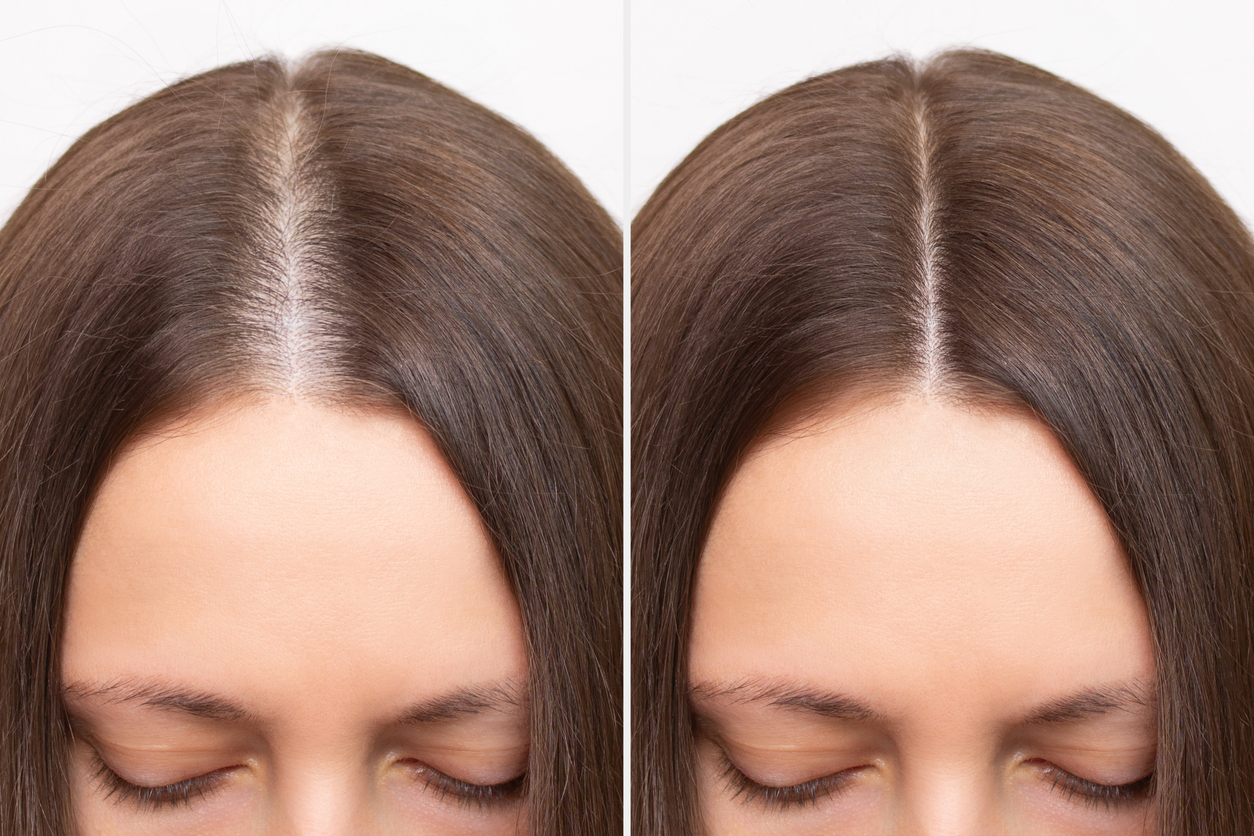
Hair thinning can feel frustrating, especially when you're not sure what's causing it.
For many women, the changes happen gradually. You may notice that your part looks wider than it used to, your ponytail feels thinner, or more scalp becomes visible under bright light. Because these changes often develop slowly, it can be difficult to tell whether you're experiencing temporary shedding or a more persistent form of hair loss.
The good news is that not all hair loss is the same, and treatment options have come a long way. Understanding what's behind the thinning is the first step toward finding an approach that makes sense for your situation.
At HealthHub, treatment starts with a provider review to help identify possible causes and determine which options may be appropriate for you.
Female pattern hair loss is one of the most common causes of thinning hair in women.
Unlike the bald patches often associated with other types of hair loss, female pattern hair loss usually appears as a gradual reduction in hair density. Many women notice:
In most cases, the frontal hairline remains largely intact.
Because the changes happen slowly, many women don't realize how much density they've lost until they compare recent photos with older ones.
Not all hair loss is permanent.
Temporary shedding often follows a specific trigger, such as illness, childbirth, surgery, significant stress, rapid weight loss, or certain medications. In these situations, more and more hair enters the shedding phase simultaneously.
Pattern hair loss works differently. Instead of shedding large amounts of hair at once, the follicles gradually produce finer and shorter strands over time. The result is a slow decline in overall density.
Since the two conditions can sometimes occur together, a professional evaluation can help determine what's actually happening.
Several factors can contribute to hair loss, but genetics and hormone sensitivity are among the most common causes of female pattern hair loss.
Female pattern hair loss, also known as female androgenetic alopecia, doesn't necessarily insinuate that you have abnormal hormone levels.
In many cases, hair follicles become more sensitive to normal hormonal changes as you age. Over time, affected follicles produce thinner, shorter hair, making the scalp appear less dense.
This process is gradual, which is why many women first notice thinning rather than obvious hair loss.
Even when genetics play a role, other health factors can make thinning more noticeable.
These may include:
Because hair growth is closely connected to overall health, providers often review medical history, medications, and recent life changes before recommending treatment.
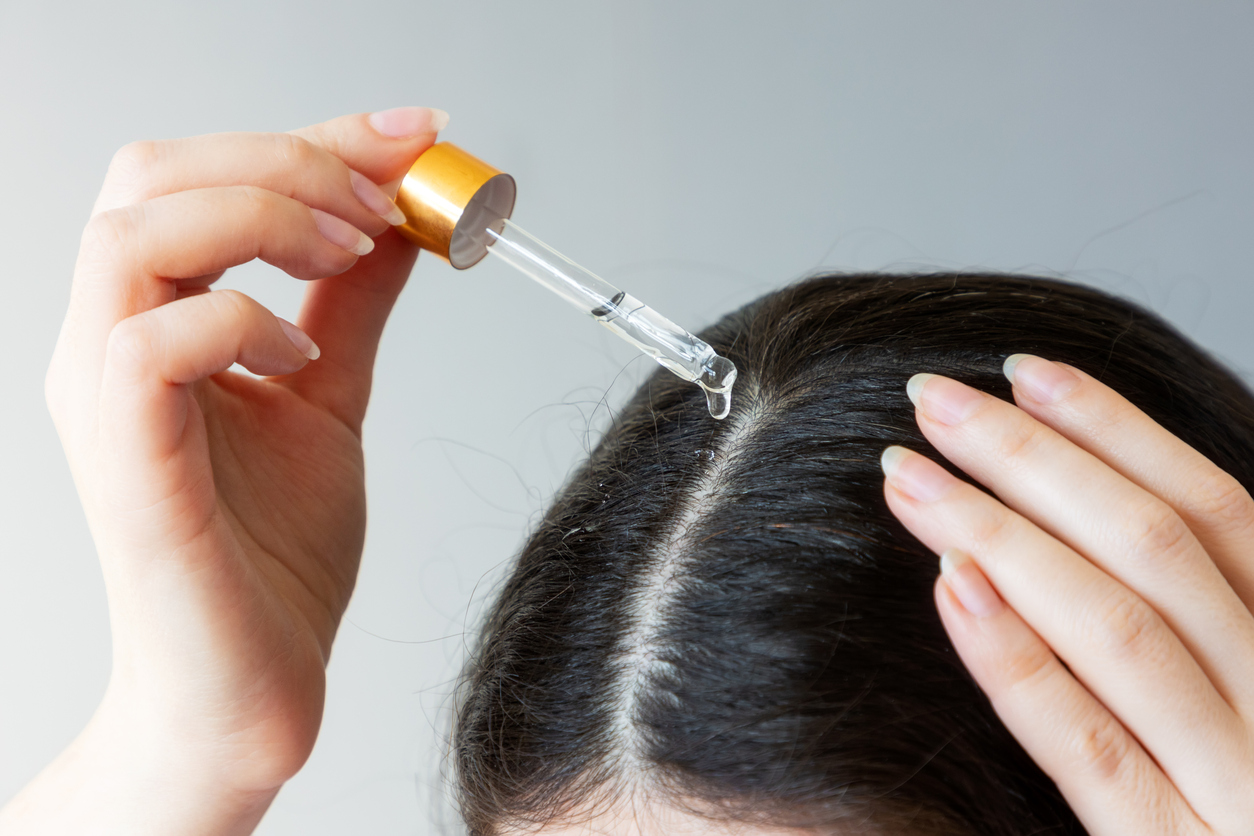
One of the most common questions women ask is whether thinning hair can be treated.
While no treatment works overnight, there are evidence-based options that may help slow progression and support healthier hair growth.
Minoxidil is one of the most established treatments for female pattern hair loss.
It works by extending the hair growth cycle, giving follicles more time to produce thicker, longer strands. Because it has been studied extensively and can be used at home, it is often one of the first options providers discuss.
Hair grows slowly, and many women need several months of consistent use before they notice meaningful changes. Some people even experience increased shedding during the first few weeks as older hair growth is replaced by new growth.
That can feel concerning, but it doesn't automatically mean the treatment isn't working.
Depending on your medical history and treatment goals, a provider may also discuss prescription options.
Not every treatment is appropriate for every woman. Factors such as age, hormonal history, current medications, and pregnancy plans can all influence treatment decisions.
That's why personalized care matters. What works well for one person may not be the best fit for someone else. Learn more about HealthHub’s provider-guided hair loss treatment and discern what suits you.
Treatment isn't only about medication.
Healthy habits can support overall scalp and hair health, including:
These steps aren't a replacement for medical treatment, but they can support long-term hair health and consistency in treatment.
Many women compare topical and oral treatment options, hoping to find the "best" choice.
But the truth is, the right option depends on your individual situation.
Some women prefer topical treatments because they fit easily into a daily routine and target the scalp directly. Others may discuss oral options with their provider based on medical history, treatment response, and personal preferences.
Rather than focusing on which option is stronger, it's often more helpful to focus on which approach you're most likely to use consistently.
Hair loss treatment is rarely about finding a perfect solution. It's about finding a plan you can realistically maintain.
One of the biggest reasons people become discouraged is expecting results too quickly.
Hair growth happens slowly, and meaningful changes usually take months rather than weeks.
Some women notice reduced shedding within the first few months. Improvements in density, texture, or scalp coverage often take longer.
In many cases, providers recommend waiting several months before deciding whether a treatment plan is effective.
Consistency matters far more than constantly switching products in search of faster results.
When treating hair loss, a few common mistakes can make it harder to evaluate results.
Starting with an accurate diagnosis can save time, money, and frustration.
Hair loss can feel overwhelming when every product online claims to be the answer.
HealthHub takes a provider-led approach designed to reduce the guesswork. Treatment begins with a review of your health history, symptoms, and goals so recommendations can be tailored to your needs.
Instead of relying on trial and error, you'll have guidance from a provider who can help determine whether you're dealing with pattern hair loss, temporary shedding, or another contributing factor.
The goal is simple: help you move forward with a clear treatment plan and realistic expectations.
Common signs include a widening part, thinning around the crown, and a gradual reduction in hair density. A provider evaluation can help confirm the cause.
Yes. Minoxidil is one of the most widely used treatments for female pattern hair loss and is often recommended as part of a provider-guided treatment plan.
Most women need several months of consistent treatment before they can properly evaluate results.
Yes. Significant stress can trigger temporary shedding and may make existing thinning more noticeable.
Postpartum shedding is common and often temporary, though a provider can help determine whether additional factors may be involved.
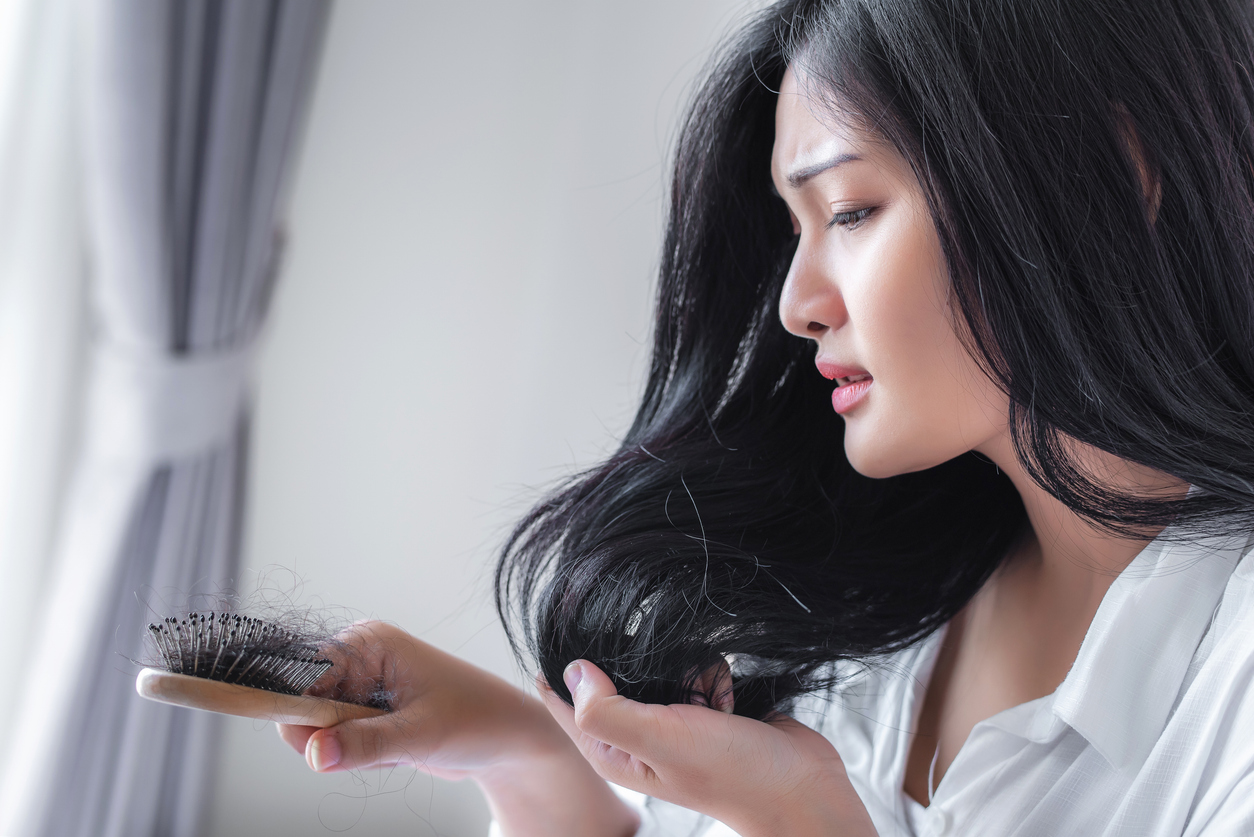
If you've noticed thinning hair, a widening part, or reduced volume, you're not alone.
Female pattern hair loss is common, and identifying the cause early can help you make more informed treatment decisions. A provider review can help clarify what's driving the changes and which options may be worth considering.
HealthHub offers provider-guided care, discreet delivery, and ongoing support to help you take the next step with confidence.
Individual results may vary.
Join patients across the U.S. who are already reaching their goals with safe treatments, licensed providers, and ongoing support.
Get Started