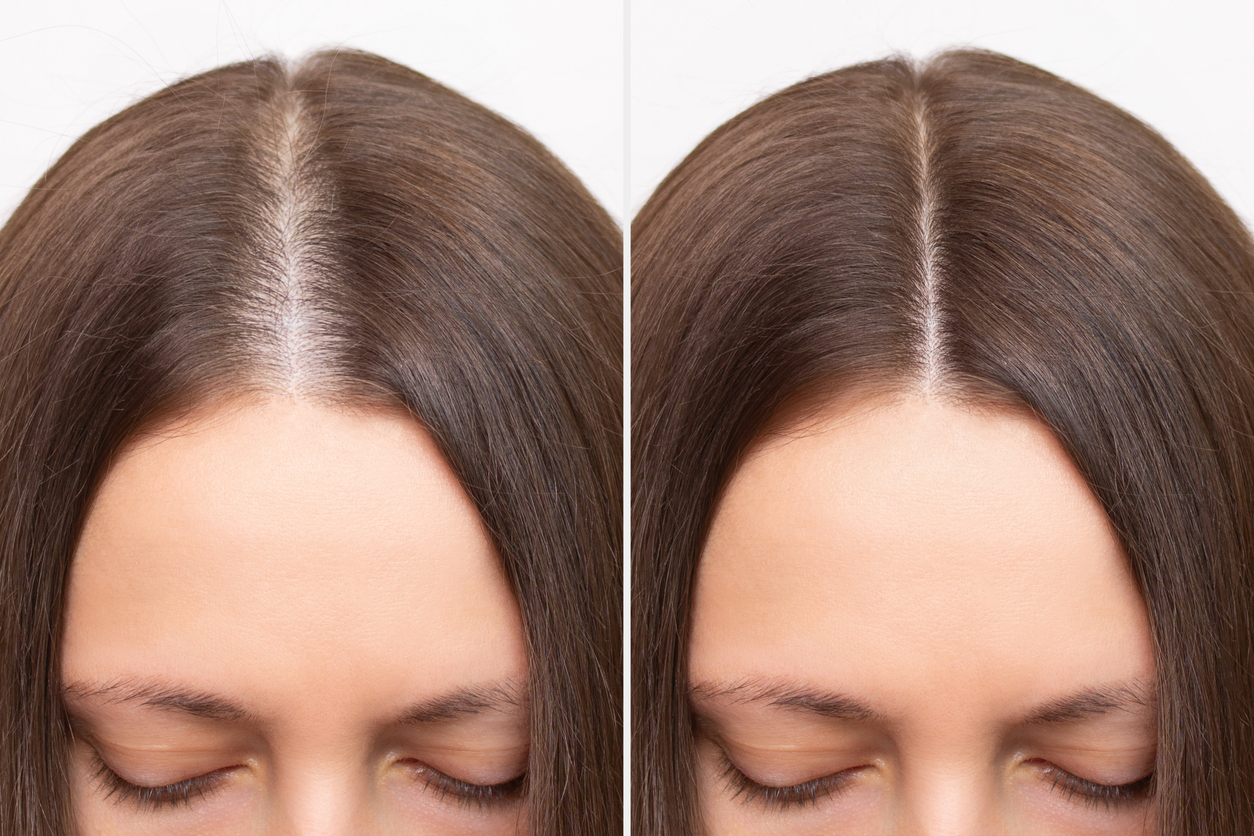
Hair loss in your 30s often begins with subtle thinning or increased shedding that can be difficult to interpret. This guide explains the difference between temporary shedding and pattern hair loss, explores the most common causes, and outlines treatment options that can help slow progression and support healthier hair growth.

Hair loss in your 30s rarely feels sudden.
It tends to show up in small ways first. You might notice a bit more hair in the shower. Your part looks slightly wider in certain lighting. After a stressful stretch, your hair does not quite return to how it looked before.
At first, it is easy to brush off. Then it starts repeating. That is usually when it begins to feel more concerning.
Most people do not ignore it. They hesitate because the process of figuring it out feels unclear. There is too much advice, and a lot of it points in completely different directions.
This guide keeps things simple. The goal is to understand what is happening and what actually helps, without overcomplicating the decision.
Before getting into specifics, it helps to know if this applies to you.
This is for people who are noticing early changes and are not sure what they mean. It is also for those with a family history of hair loss who would rather act early than wait.
This guide will walk you through:
With that in mind, it becomes easier to look at what is actually happening.
Hair loss often feels confusing at first. Breaking it into simple categories makes it easier to read.
Sometimes, hair shedding increases for a short period. This can follow stress, illness, or changes in routine. In many cases, it settles down without any long-term impact.
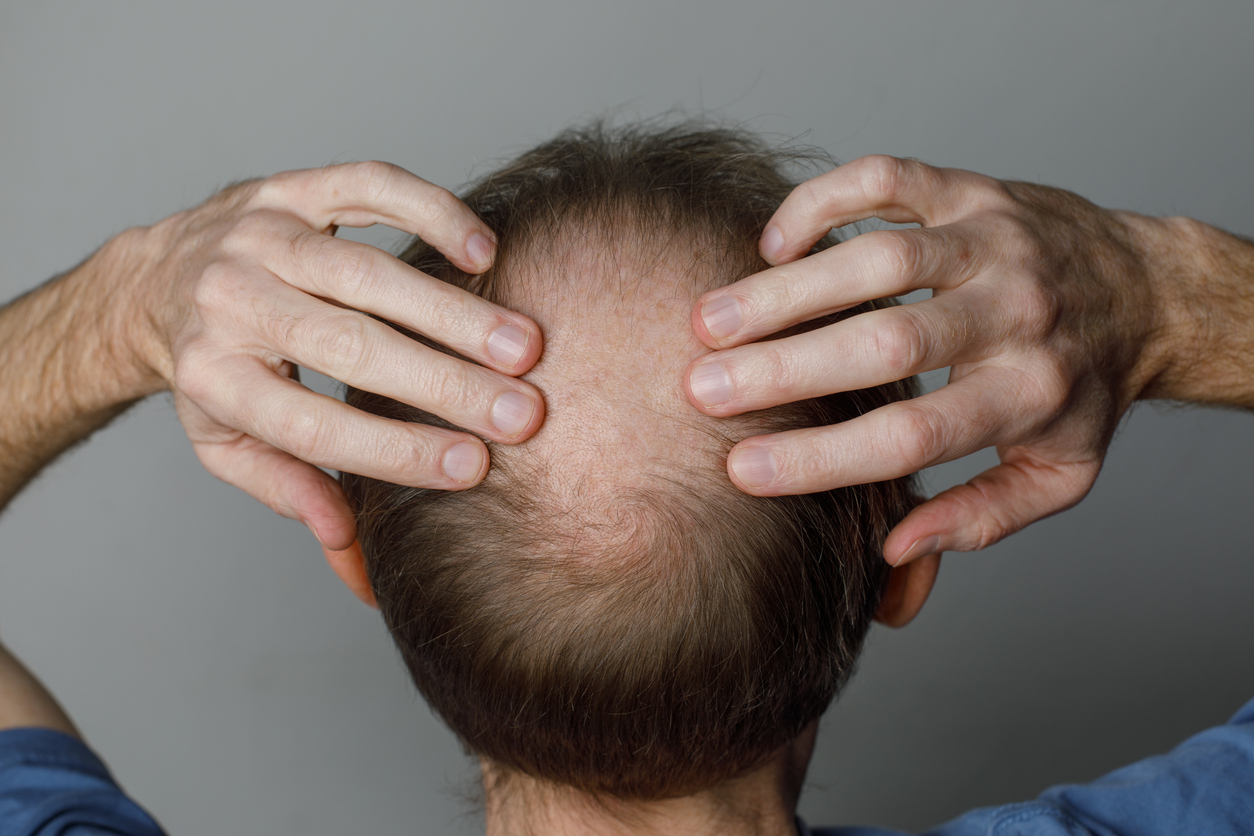
Pattern change is different. It develops slowly and tends to continue. You might notice your hairline shifting, thinning at the crown, or your part gradually widening.
For many men, this is when male pattern baldness becomes more noticeable.
These changes usually build gradually rather than appearing all at once.
In many cases, genetic hair loss progresses over time, even before it becomes visible. What often changes in your 30s is how noticeable it becomes.
At the same time, certain factors can make this shift more apparent. Periods of high stress, changes in sleep, illness, or weight fluctuations can temporarily increase shedding, drawing more attention to underlying thinning.
A short phase of increased shedding that stabilizes over time is quite common. A pattern that continues, such as gradual recession or thinning over several months, is more likely to reflect ongoing hair loss rather than a temporary cycle.
Recognizing whether the change stabilizes or continues helps determine whether it is something to monitor or something to evaluate more closely.
It can feel like there are too many causes, but most situations come back to a handful of factors.
For many people, especially men, DHT sensitivity plays a role. Over time, it affects how hair follicles function. Hair grows finer, and cycles become shorter.
Even when genetics is involved, other factors can influence how noticeable the changes appear.
These do not always lead to permanent loss, but they can temporarily change how your hair behaves.
The condition of the scalp and how consistent your routine is can also make a difference. Irritation or irregular care does not cause pattern loss, but it can make things look worse than they are.
Before suggesting any treatment, providers usually look at the full picture.
That includes:
This step is less complicated than it sounds. It is about understanding your baseline before making changes.
Once that is clear, choosing a direction becomes easier.
Once you understand the pattern, the focus shifts to what can realistically help.
The key idea here is not intensity; it is consistency. A plan only works if you can stay with it long enough to see a response.
For those who prefer not to take oral medication, topical treatment can be a starting point.
HealthHub offers provider-guided topical plans that are designed for daily use. These typically involve prescription-strength compounded formulas that target multiple factors, including scalp health and hormonal influence.
The benefit of this approach is that it keeps the routine straightforward, which makes it easier to follow over time.
If pattern loss is more defined, providers may bring up oral treatment as part of the conversation.
This can include finasteride, which is used to reduce DHT levels under provider supervision. Treatment is prescribed based on individual evaluation and delivered in a structured format.
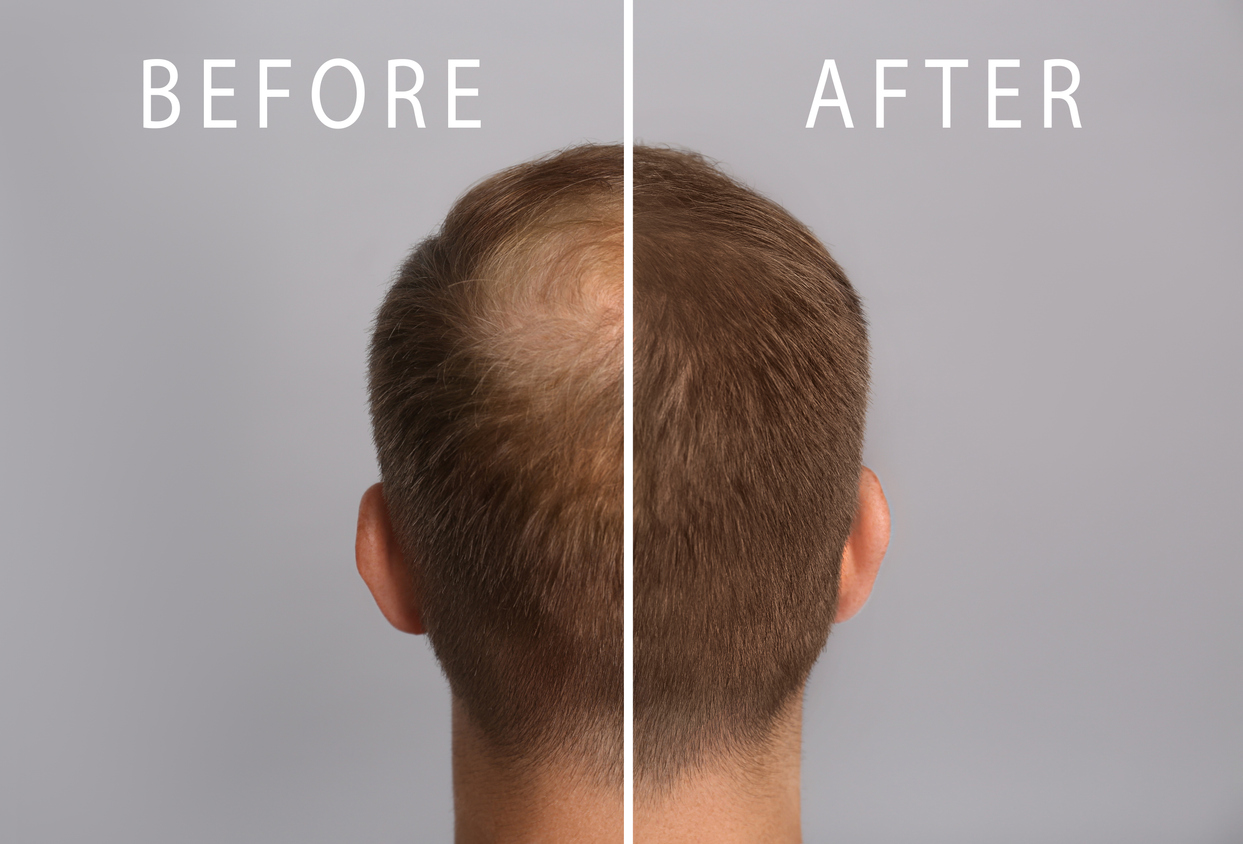
In most cases, this does not mean reversing everything.
It usually means slowing progression, maintaining existing density, and supporting areas where follicles are still active.
Even with the right plan, certain patterns can interfere with progress.
This often includes:
A simple, steady plan tends to work better than a complicated one that is hard to maintain.
Timing often makes a difference in how manageable the process feels.
In general, it is easier to maintain what is already there than to rebuild later. That is why an earlier evaluation can be helpful.
It may be worth speaking with a provider if you notice:
Results tend to take time. They also vary. The goal is to find something that fits into your routine and can be followed consistently.
If you want a simpler routine without oral medication, topical options may be a reasonable place to begin. If the pattern is more established, discussing oral treatment with a provider can help clarify next steps.
Having a clear starting point often reduces hesitation.
For many people, the challenge is not understanding what to do. It is sticking with it.
HealthHub is designed to make that part easier.
The structure is straightforward:
Some patients describe the process as simple and easy to follow. Check out HealthHub for more!
Individual results vary.
When the process is clear, it becomes easier to stay consistent.
Hair loss in your 30s is common, but the experience can feel uncertain without context.
Understanding what is happening is the first step. Following a plan that fits your routine is what supports progress over time.
If you are considering your options, starting with a provider review can help you move forward with more clarity.
Get started with HealthHub today!
Join patients across the U.S. who are already reaching their goals with safe treatments, licensed providers, and ongoing support.
Get Started